
- To truly help an anxious child, we must first understand how they experience the world.
- Because children lack the ability to clearly articulate their internal panic, their anxiety often spills over into their outward behavior and physical health.
- Telling an anxious child to simply “calm down” or “be brave” rarely works.
- Effectively treating anxiety in children requires a highly specialized, developmentally appropriate toolkit.
Table of Contents
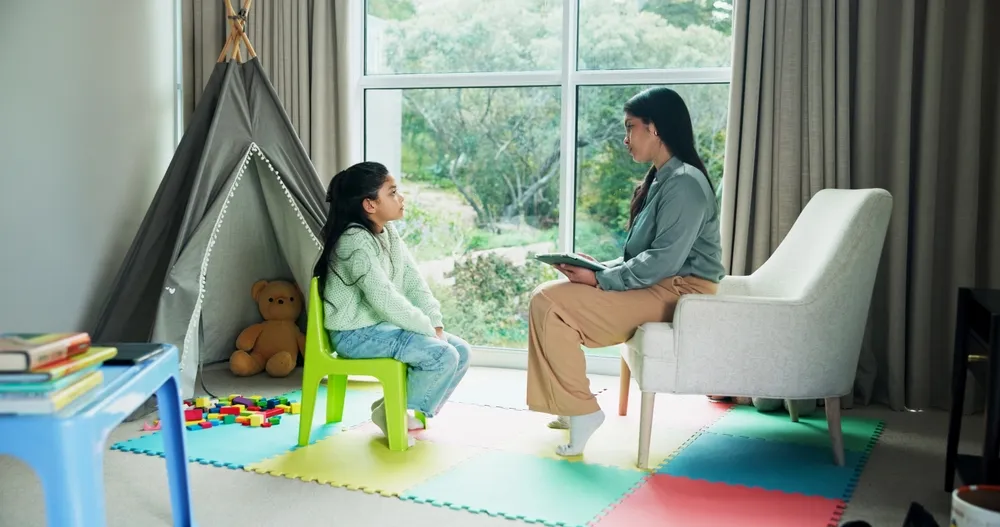
Childhood is filled with rapid growth, new discoveries, and a constant stream of learning experiences. As children navigate their expanding world, it is entirely natural for them to experience occasional worry. Feeling nervous before the first day of school, being afraid of the dark, or feeling shy around new people are all standard parts of growing up. However, when those temporary fears transform into a persistent, heavy cloud of anxiety that refuses to lift, it changes how a child experiences their daily life. Persistent anxiety can make ordinary activities feel overwhelming, causing your child to pull away from the very things that are meant to bring them joy.
Watching your child struggle with intense fear is incredibly difficult for any parent. You might see them crying before school, complaining of mysterious stomachaches, or completely freezing up when asked to join a group of peers. You might spend hours trying to reassure them, only to find that logic does not calm their racing mind. It is important to know that your child is not acting out on purpose, and their struggle is not a reflection of your parenting. Children simply have a different way of processing the world, and when their developing nervous system gets stuck in a state of high alert, they need specific tools to help them feel safe again.
Therapy provides a warm, structured, and entirely supportive space where children can learn how to navigate their complex emotions. At Innovative Counseling, LLC, we understand exactly how overwhelming childhood anxiety can be for both the child and the entire family unit. We provide a compassionate environment tailored to the unique needs of elementary and middle-school-aged children. By working together, we can help your child unpack their worries, develop practical coping skills, and rebuild the emotional confidence they need to thrive. If you are also exploring support for your own well-being or older members of your family, we encourage you to visit our comprehensive Stress & Anxiety Therapy hub page.
Understanding Anxiety in Children
To truly help an anxious child, we must first understand how they experience the world. Unlike adults, children do not always have the emotional vocabulary required to explain exactly what they are feeling. Their brains are still actively developing, particularly the areas responsible for logical reasoning and emotional regulation. Because they cannot simply talk themselves out of a stressful moment, their anxiety often presents itself in confusing, indirect ways.
Anxiety is fundamentally a survival mechanism. It is the body’s way of responding to a perceived threat. In an anxious child, this internal alarm system becomes overly sensitive, ringing loudly even when there is no actual danger present. A simple change in routine or a slightly difficult homework assignment can trigger the exact same physical and emotional response as a genuine emergency. Understanding this biological reaction helps parents view their child’s behavior not as defiance or stubbornness, but as a plea for safety and support.
Common Causes of Childhood Anxiety
Childhood anxiety rarely emerges from one single, isolated event. It typically develops from a combination of biological predispositions, environmental factors, and the natural pressures of growing up. Recognizing the common triggers can help you understand what might be fueling your child’s distress.
- School stress: For children, the classroom is their primary workplace. They face significant pressure to understand new academic concepts, keep up with their peers, and meet the expectations of their teachers. For a child who naturally leans toward perfectionism, the fear of making a mistake on a spelling test or reading incorrectly out loud can trigger immense, paralyzing anxiety.
- Social challenges: Navigating the complex world of friendships is a massive developmental task. Children must learn how to share, resolve conflicts, and understand subtle social cues. The fear of being left out, teased, or rejected by their peers can cause severe anxiety, particularly as children transition into the socially demanding middle school years.
- Changes in family routines: Children thrive on predictability. When their environment is stable, they feel secure. Major disruptions to their routine—such as moving to a new neighborhood, the arrival of a new sibling, parents returning to work, or a difficult family divorce—can shatter their sense of normalcy. To cope with this unpredictability, their nervous system frequently shifts into a state of high alert.
- New environments or experiences: Stepping into the unknown is inherently scary. Attending a new summer camp, sleeping over at a relative’s house, or trying a new sport requires a leap of faith. For children with anxiety, the uncertainty of a new situation feels entirely intolerable, leading them to assume that the worst possible outcome will inevitably happen.
How Anxiety Can Affect a Child’s Development
When a child lives with chronic, untreated anxiety, it severely impacts their overall development. Childhood is the specific time when individuals are supposed to build their core identity, explore their interests, and learn how to take healthy risks. Anxiety actively blocks this necessary exploration. It acts as a heavy anchor, keeping the child stuck in their comfort zone.
This continuous fear directly erodes a child’s emotional confidence. Instead of raising their hand in class or asking a peer to play, an anxious child will often shrink back, choosing to remain invisible to avoid potential embarrassment. This lack of participation stunts their academic growth and prevents them from fully engaging in the learning process. Furthermore, the constant urge to avoid difficult situations prevents them from developing vital social skills. They miss out on the messy, beautiful process of making friends, resolving arguments, and discovering what they are truly capable of achieving.
Signs of Anxiety in Children
Because children lack the ability to clearly articulate their internal panic, their anxiety often spills over into their outward behavior and physical health. It is very common for parents to spend months taking their child to pediatricians or disciplining them for sudden behavioral changes before realizing that the root cause is actually anxiety. Knowing exactly what signs to look for can help you identify when your child is genuinely struggling and needs professional intervention.
Emotional Signs
The emotional symptoms of childhood anxiety can be incredibly loud and disruptive, or completely silent and internalized. Because children struggle to contain their overwhelming feelings, you might notice significant shifts in their daily mood.
- Frequent worries or fears: Your child might express constant, unrealistic concerns about the future. They might ask endless “what if” questions, such as, “What if we get in a car crash?” or “What if you forget to pick me up from school?” This worry is persistent and incredibly difficult to soothe with simple logic or reassurance.
- Clinginess or fear of separation: An anxious child frequently views their parent as their only source of safety. They might refuse to sleep in their own bed, follow you from room to room inside your house, or experience severe, tearful meltdowns when you attempt to drop them off at school or a friend’s house.
- Irritability or emotional sensitivity: When a child’s nervous system is constantly overwhelmed by invisible stress, their tolerance for minor frustrations completely vanishes. You might notice that they snap easily, cry over minor inconveniences like a broken crayon, or experience intense temper tantrums that seem entirely out of proportion to the situation.
Physical Symptoms
The mind and the body are deeply intertwined, especially in children. When a child experiences chronic mental stress, their body holds onto that tension, producing very real physical discomfort.
- Stomachaches: The gut is highly sensitive to stress hormones. When a child feels anxious, their body diverts energy away from digestion to prepare for a “fight or flight” response. This biological shift frequently causes nausea, stomach cramps, or a sudden loss of appetite, particularly on Sunday evenings or early mornings before school.
- Headaches: Chronic tension headaches are a common physical manifestation of worry. The constant stress causes children to subtly clench their jaw or tighten their neck and shoulder muscles throughout the day, leading to frequent complaints of head pain after school.
- Sleep difficulties: A quiet, dark bedroom gives an anxious mind the perfect environment to race. Your child might struggle intensely to fall asleep, complain of frequent nightmares, or wake up repeatedly in the middle of the night feeling panicked and seeking your comfort.
Behavioral Changes
Anxiety drives human beings to change their habits in order to protect themselves from feeling distressed. If you notice a sudden, drastic shift in how your child approaches their daily routines, it is often a strong indicator that they are trying to manage hidden fears.
- Avoiding school or activities: Anxious children will go to extreme lengths to avoid the environments that trigger their stress. They might frequently ask to stay home sick, refuse to get on the school bus, or suddenly quit a sports team or after-school club they previously loved.
- Withdrawing from friends: A child who feels overwhelmed by social anxiety will often isolate themselves. They might prefer to play entirely alone during recess, decline invitations to birthday parties, or stop talking about their classmates at home.
- Reluctance to try new experiences: You might notice that your child completely freezes up when faced with something unfamiliar. Whether it is trying a new food, visiting a new park, or meeting a new family member, their immediate default response is a firm refusal to engage.
How Therapy Helps Children Manage Anxiety
Telling an anxious child to simply “calm down” or “be brave” rarely works. You cannot use logic to turn off a severe physiological stress response. Overcoming childhood anxiety requires a structured, deeply compassionate approach to gently retrain the brain and calm the body. Therapy provides an objective, supportive space where children can safely unpack the mechanics of their fears without feeling judged or rushed.
Counseling helps children transition from a place of helpless panic to a place of empowered control. We do not just sit and talk; we actively equip your child with the psychological tools they need to navigate the world.
Helping Children Understand Their Feelings
The very first step in therapy is helping the child build a robust emotional vocabulary. We work together to help them accurately identify and name what they are feeling. When a child can say, “I am feeling worried right now,” rather than simply acting out in anger, they instantly gain a measure of control over their emotions.
We help children connect the dots between their physical sensations and their feelings. They learn to recognize that a fluttering stomach or a racing heart is their body’s way of signaling stress, not a sign that they are physically sick. By demystifying these intense physical sensations, the experience of anxiety becomes much less terrifying. We teach them that all feelings are okay and safe to talk about, removing the shame and confusion that often accompany their distress.
Developing Healthy Coping Skills
Understanding the feeling is only the first part of the process; the next vital step is learning what to do when that feeling arises. A significant portion of our therapy sessions focuses on equipping your child with highly practical, actionable coping skills that they can actually use in the classroom, on the playground, or at the dinner table.
We teach children how to hit the pause button when they feel a wave of panic rising. They learn powerful breathing exercises that physically signal their brain to slow down their heart rate. We practice grounding techniques that help them pull their attention out of their spinning, catastrophic thoughts and anchor them back into the present moment. Most importantly, we help them replace unhelpful behaviors—like hiding or throwing a tantrum—with productive strategies, such as asking an adult for help, taking a short break, or using a brave thought to push through the fear.
Building Emotional Confidence
The ultimate goal of therapy is not to create a completely stress-free life for your child. The world will always present challenges, unexpected changes, and difficult moments. The true goal is to dramatically build your child’s emotional confidence and resilience.
Resilience is the ability to face a scary situation, experience the nerves, and do it anyway. As your child practices their new coping skills in our sessions and successfully navigates the small challenges we set for them, their self-trust blossoms. They learn that they can feel nervous about reading out loud and still do a wonderful job. This deep, internal confidence changes how they view themselves. They transition from seeing themselves as fragile or easily overwhelmed to seeing themselves as capable, strong, and brave.
Therapy Approaches for Childhood Anxiety
Effectively treating anxiety in children requires a highly specialized, developmentally appropriate toolkit. We cannot use the exact same clinical methods we use for adults, because a child’s brain processes information and experiences very differently. At Innovative Counseling, LLC, our therapists utilize proven, evidence-based methods that are specifically tailored to engage children, hold their attention, and promote lasting emotional growth.
Cognitive Behavioral Therapy (CBT)
Cognitive Behavioral Therapy (CBT) is widely considered the absolute gold standard for treating anxiety across all age groups, and it is exceptionally effective when adapted for children. CBT focuses directly on the powerful connection between a child’s thoughts, their feelings, and their subsequent behaviors.
During our child-centered CBT sessions, we help children identify the automatic, negative thoughts that fuel their fear. We often personify the anxiety to make it easier to understand, calling it a “Worry Bug” or a “Worry Bully.” We teach the child that just because the Worry Bug tells them a situation is dangerous, it does not mean the thought is actually true. We actively practice talking back to the worry, replacing fearful thoughts with balanced, realistic, and brave alternatives. By changing the narrative in their mind, CBT helps children drastically reduce the intensity of their internal alarm system.
Play-Based Therapeutic Techniques
Children naturally communicate through play. It is their primary language and the way they make sense of a complex world. Therefore, traditional talk therapy is often integrated with highly engaging, play-based therapeutic techniques.
We utilize drawing, storytelling, therapeutic games, and creative activities to help younger children express emotions that they cannot yet put into words. A child who cannot explain why they are afraid of school might easily draw a picture that perfectly illustrates their fear of being left out on the playground. Through guided play, we can safely explore these fears in a non-threatening way. Play-based techniques allow the child to act out different scenarios, practice their new coping skills in a low-stakes environment, and process difficult emotions while feeling entirely safe and relaxed.
Family Involvement in Therapy
We firmly believe that treating childhood anxiety requires a team approach. While the child’s privacy and trust in their therapist are paramount, anxiety profoundly affects the entire family system. You are the most important part of your child’s world, and your involvement is absolutely critical to their long-term success.
We work closely with parents to help you understand exactly how you can best support your child at home. Often, out of deep love and an instinct to protect, parents might accidentally accommodate a child’s anxiety by allowing them to avoid the things that scare them. We provide you with coaching on how to break this cycle. You will learn how to validate your child’s very real feelings without enabling their avoidance. We teach you how to set loving, firm boundaries, how to prompt them to use their coping skills, and how to praise their brave behavior. When the therapist, the parents, and the child all operate on the exact same page, the foundation for healing becomes incredibly strong.
When Parents Should Consider Anxiety Therapy for Their Child
Many parents hesitate to reach out for professional help, wondering if their child is simply going through a normal developmental phase. You might hope that they will just grow out of their clinginess or settle down once the current school semester ends. While some fluctuation in a child’s mood is perfectly normal, persistent anxiety requires support. Early intervention is incredibly powerful; it prevents the anxiety from becoming a deeply ingrained habit that follows them into adolescence and adulthood.
You should strongly consider reaching out to schedule therapy if you notice any of the following patterns occurring frequently:
- Persistent worry or fears: Your child’s anxiety lasts for weeks or months, completely out of proportion to the actual situation, and significantly interferes with their ability to enjoy daily life.
- Difficulty attending school: Morning drop-offs are a daily battle involving tears, physical clinging, or severe tantrums, resulting in chronic absences or calls from the school nurse.
- Social withdrawal: Your child completely avoids interacting with peers, refuses to participate in extracurricular activities, or expresses deep, ongoing distress about social situations.
- Physical symptoms related to anxiety: Your child frequently complains of stomachaches, headaches, or profound fatigue, and their pediatrician has completely ruled out any underlying medical conditions.
- Disruption to family life: The anxiety is so severe that your family schedule revolves entirely around accommodating your child’s fears, causing significant stress for you and any siblings.
If anxiety is dictating the choices your child makes and preventing them from experiencing the simple joys of being young, it is time to seek professional guidance. Asking for help is one of the most proactive, loving steps you can take for your child’s future.
Child Anxiety Therapy at Innovative Counseling
At Innovative Counseling, LLC, our dedicated team is deeply passionate about helping children navigate the heavy pressures of growing up. We know how heartbreaking it is to watch your child struggle, and we know how exhausting it is for a parent to feel like nothing they say is helping. We provide a warm, relatable, and remarkably supportive counseling environment where children actually feel comfortable, safe, and ready to engage.
Our licensed therapists take the time to truly listen to your child’s unique story. We do not use generic worksheets or expect every child to fit into the exact same clinical mold. We carefully assess your child’s specific challenges, their natural strengths, and the goals you want to achieve as a family. From there, we create highly personalized treatment plans tailored entirely to your child’s developmental stage and personality. Through our secure and convenient telehealth platform, your child can engage in this deeply transformative therapy from the absolute comfort and privacy of their own bedroom or playroom, making the process feel much less intimidating.
Start Anxiety Therapy for Children
Your child does not have to spend their early years trapped in a cycle of exhausting worry, physical tension, and overwhelming fear. It is entirely possible for them to quiet the negative noise in their mind, learn how to handle difficult emotions with grace, and rediscover their natural, vibrant confidence. They deserve to experience this chapter of their life with joy, curiosity, and a sense of genuine peace.
Taking the first step toward healing requires bravery, but you do not have to navigate this journey alone. Our compassionate team is ready to stand beside your family, offering the steady guidance, practical strategies, and unwavering support your child needs to thrive. Contact Innovative Counseling, LLC today to schedule a confidential consultation. Let us help your child break the cycle of anxiety, build unshakeable emotional strength, and step into a much brighter, braver future.
Your journey to healing starts here.
Take the first step towards a brighter future with Innovative Counseling – where innovation meets compassion.



