
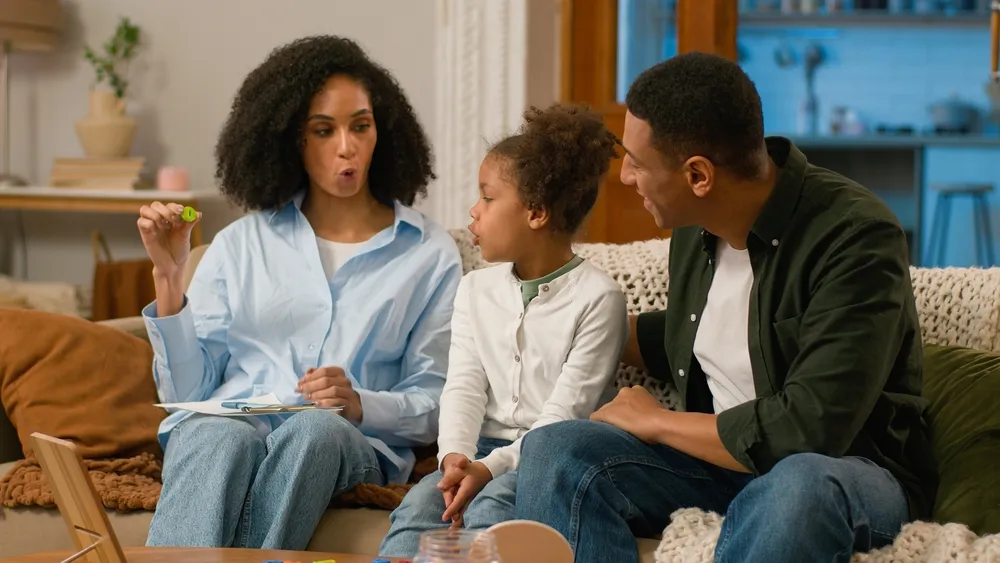
- Communication breakdowns rarely happen overnight.
- Recognizing the signs of ineffective communication is an important part of the healing process.
- Therapy provides the tools and environment necessary to break negative cycles and establish new, healthier ways of relating to one another.
- The relationship between a parent and a child is naturally complex and constantly evolving.
Navigating these dynamics without support can feel exhausting. The patterns of miscommunication usually run deep, shaped by years of interactions and unexpressed emotions. If you are looking for guidance, family therapy Miami provides a structured environment to address these issues. A skilled family therapist Miami FL can help identify the root causes of the disconnect and guide your family toward healthier interactions. Engaging in family counseling Miami FL offers an opportunity to rebuild trust and learn how to speak to one another with clarity and compassion.

Why Family Communication Can Break Down
Communication breakdowns rarely happen overnight. They are usually the result of ongoing emotional reactions and misinterpretations that build up over time. When family members operate under chronic stress, their ability to listen patiently diminishes. This stress can stem from external factors like work or school, or from internal family transitions. In these heightened emotional states, a simple comment can easily be misinterpreted as criticism, sparking defensive reactions.
Furthermore, every individual has a different communication style. Some people process their thoughts out loud, while others withdraw to reflect internally before speaking. These differing styles can clash, leaving one person feeling overwhelmed and the other feeling shut out. Unresolved conflict also plays a significant role in communication failure. When past hurts are swept under the rug instead of being addressed, they create an undercurrent of resentment. Families seeking family counseling Miami often find that exploring these underlying factors is the first step toward healing. Through family therapy Miami FL, individuals can begin to recognize their own triggers and understand how their reactions impact the rest of the household.
Signs Communication in Your Family May Need Support
Recognizing the signs of ineffective communication is an important part of the healing process. Many families accept unhealthy patterns as normal, but identifying these behaviors can be the catalyst for positive change.
Frequent Arguments
When minor disagreements consistently escalate into major arguments, it indicates that the underlying communication structure is flawed. These frequent arguments often revolve around the same unresolved topics, creating a repetitive cycle of frustration that leaves everyone feeling exhausted.
Avoiding Conversations
Sometimes, the breakdown in communication manifests as silence. Family members might start avoiding conversations altogether to prevent conflict. This avoidance creates an environment where important issues are never discussed, leading to a superficial peace that is masking deeper issues.
Misunderstandings
If you find that your intentions are constantly being misunderstood, or you frequently misinterpret what your family members are saying, there is a fundamental disconnect. Misunderstandings happen when active listening is absent and assumptions take over the dialogue.
Emotional Distance
A lack of meaningful conversation naturally leads to emotional distance. You might live in the same house but feel completely disconnected from one another’s daily lives and inner experiences. This distance can make family members feel isolated despite being surrounded by their loved ones.
Escalating Conflict
Conflicts that quickly spiral out of control and become personal attacks are a clear sign that communication skills need refinement. When discussions move away from the issue at hand and turn into character assassinations, the family unit suffers significant emotional damage.
Feeling Unheard
Perhaps the most common sign of communication breakdown is the persistent feeling of being unheard or invalidated. When family members feel that their thoughts and emotions do not matter to the rest of the group, they often stop trying to communicate altogether.
How Family Therapy Improves Communication
Therapy provides the tools and environment necessary to break negative cycles and establish new, healthier ways of relating to one another.

Creating a Safe Space to Talk
A therapist establishes a neutral, non-judgmental environment where every family member has the floor. This safe space allows individuals to express their true feelings without the immediate fear of interruption, judgment, or retaliation that might occur at home.
Learning Active Listening
One of the core components of therapy is teaching family members how to truly listen. Active listening involves focusing entirely on the speaker, understanding their message, and validating their emotions before formulating a response.
Understanding Different Perspectives
A family therapist Miami helps individuals see situations through the eyes of their relatives. By fostering empathy, therapy allows family members to understand that multiple perspectives can exist simultaneously without one needing to be “right” and the other “wrong.”
Reducing Emotional Reactivity
Therapy helps individuals identify their emotional triggers and teaches them how to pause before reacting. By reducing emotional reactivity, families can engage in thoughtful discussions rather than falling into explosive arguments.
Practicing Healthy Conversations
In the therapy room, families have the opportunity to practice having difficult conversations under the guidance of a professional. This guided practice helps solidify new communication habits, making it easier to utilize these skills in real-world scenarios.
Communication Challenges Between Parents and Children
The relationship between a parent and a child is naturally complex and constantly evolving. As children grow and move through different developmental stages, their needs and ways of expressing themselves change. Parents must adapt their communication styles accordingly, which can be challenging. Expectations often clash during these transitions. Parents may expect compliance and respect, while children and adolescents are focused on asserting their independence and autonomy.
These differing goals can lead to intense emotional reactions on both sides. When a child feels suffocated by parental expectations, they may rebel or shut down. Conversely, when a parent feels disrespected, they may resort to harsh discipline or lectures, which only widens the communication gap. Recognizing these conflict patterns is essential. Through family therapy Miami, parents and children can learn to navigate these developmental shifts together, fostering a relationship built on mutual respect rather than control.
Communication Challenges Between Family Members
Communication issues are not limited to the parent-child dynamic. Tension can arise between any members of the family system, requiring specific attention and care.
Sibling Conflict
Siblings often experience intense rivalry and conflict, stemming from competition for parental attention, perceived inequalities, or simple personality clashes. If left unaddressed, these conflicts can carry over into adulthood, permanently damaging the sibling bond.
Parent-Child Tension
As mentioned, the tension between parents and children can disrupt the entire household. This tension often centers around discipline, academic expectations, or lifestyle choices, requiring careful negotiation and open dialogue to resolve.
Blended Family Communication
Blended families face unique communication hurdles. Merging different family cultures, establishing new rules, and navigating the roles of stepparents and stepsiblings require a high level of intentional communication and patience from everyone involved.
Generational Differences
Extended families or multi-generational households often struggle with communication due to differing values and beliefs. Bridging the gap between generations requires empathy and a willingness to understand historical contexts and differing worldviews.

Skills Learned in Family Communication Therapy
The goal of therapy is not just to solve the current problem, but to equip the family with lifelong skills to handle future challenges.
Active Listening
Families learn to listen to understand, rather than listening to respond. This skill alone can dramatically reduce misunderstandings and ensure that everyone feels valued and respected during discussions.
Expressing Emotions Clearly
Therapists teach individuals how to use “I” statements and express their feelings without blaming or criticizing others. This clear expression of emotion prevents defensiveness and keeps conversations productive.
Setting Healthy Boundaries
Good communication requires knowing where one person ends and another begins. Families learn how to set and respect healthy boundaries, which prevents enmeshment and allows for individual autonomy within the family unit.
Conflict Resolution Skills
Disagreements are inevitable, but destructive conflict is not. Therapy provides step-by-step frameworks for resolving disputes calmly, ensuring that compromises can be reached without damaging the relationship.
Emotional Awareness
Before you can communicate effectively, you must understand what you are feeling. Therapy enhances individual emotional awareness, allowing family members to articulate their internal experiences accurately.
Benefits of Improving Family Communication
Investing time and effort into better communication yields profound and lasting benefits for the entire family system.
Reduced Conflict
As communication skills improve, the frequency and intensity of arguments naturally decrease. Families are able to address minor issues before they escalate into major disruptions.
Stronger Relationships
Clear, honest communication builds trust. When family members know they can speak openly and be received with empathy, the bonds of the relationship are significantly strengthened.
Better Understanding
Improved communication fosters a deep understanding of each family member’s unique personality, needs, and struggles. This understanding replaces judgment with compassion.
Improved Emotional Support
When families communicate well, they become a source of profound emotional support for one another. The home transforms into a sanctuary where individuals can seek comfort and advice during difficult times.
Healthier Family Environment
Ultimately, these changes create a much healthier, more peaceful home environment. A home characterized by open dialogue and mutual respect provides a solid foundation for everyone to thrive.
Online Family Communication Therapy in Miami
Balancing the schedules of multiple family members to attend therapy can be a logistical challenge. Recognizing this, many practices now offer online family therapy Miami to make the process more accessible. Engaging in telehealth family therapy Florida allows your family to receive professional support from the comfort and privacy of your own home.
This flexible scheduling is particularly beneficial for busy families, as it eliminates commute times and makes it easier to coordinate sessions around work, school, and extracurricular activities. Online sessions provide the same high level of care, confidentiality, and structured guidance as in-person visits, ensuring that your family can work on improving communication without adding unnecessary stress to your weekly routine.

Improving Family Communication With Therapy in Miami
Breaking free from negative communication cycles takes time, patience, and the right support. If you recognize that misunderstandings, frequent arguments, or emotional distance are affecting your household, professional guidance can make a meaningful difference. Engaging in family communication therapy or seeking therapy for family conflict can help you rebuild trust and establish a more peaceful home environment.
By focusing on active listening and emotional awareness, your family can learn to navigate disagreements with compassion rather than reactivity. If you are ready to take the next step toward healthier relationships, consider exploring options for family therapy in Miami to find the support your family needs to move forward together.
Start Family Therapy in Miami
Taking the first step toward healing your family dynamics can feel daunting, but you do not have to navigate these challenges alone. If your family is experiencing conflict, disconnection, or the stress of a major life transition, professional support can make a significant difference. Through thoughtful guidance and a secure environment, you can begin to rebuild trust and improve communication within your home. We offer both in-person sessions and convenient telehealth options to accommodate your family’s schedule. Please reach out to schedule a consultation with a therapist who can help you determine the best path forward for your family’s well-being.