
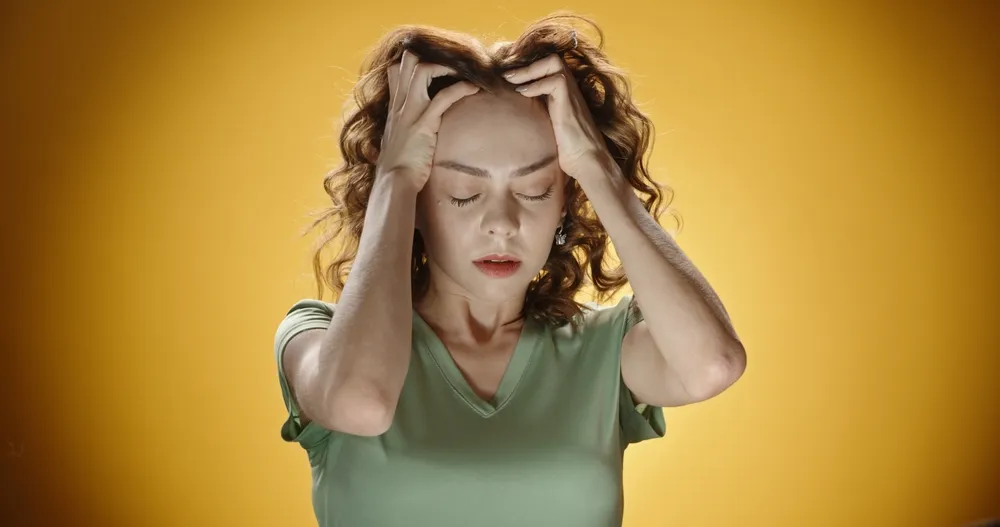
- Panic attacks often feel different from other forms of anxiety because they come on quickly and with strong physical symptoms.
- Panic attacks are often described in terms of symptoms, but the experience itself is what makes them so difficult to manage.
- The intensity of panic attacks is not random.
- After a panic attack, the reference point changes.
Panic attack treatment focuses on breaking the cycle between the physical reaction and the fear that follows it. The work is not only about reducing the attacks themselves, but changing how your system responds so they no longer feel unpredictable or controlling.

When Anxiety Hits Suddenly and Feels Physical
Panic attacks often feel different from other forms of anxiety because they come on quickly and with strong physical symptoms. Many people describe them as happening out of nowhere, even when there is no clear reason for it.
In those moments, your body reacts intensely. Your heart may start racing, your breathing changes, and your system shifts into a state that feels urgent and overwhelming. It can feel like something is wrong physically, even if medical causes have already been ruled out.
Because the experience is so immediate, it can be difficult to think clearly while it is happening. The intensity of the physical response often becomes the main focus, which makes the situation feel more serious than it actually is.
What a Panic Attack Actually Feels Like
Panic attacks are often described in terms of symptoms, but the experience itself is what makes them so difficult to manage.
Physical symptoms
During a panic attack, the body reacts quickly and intensely. Common symptoms include a racing heart, shortness of breath, dizziness, and chest tightness. These sensations can feel alarming, especially when they happen suddenly, and may lead you to think something is wrong with your health.
Mental experience
Along with the physical symptoms, there is often a strong sense of fear. This can include feeling like you are losing control, that something bad is about to happen, or that you need to get out of the situation immediately. Thinking clearly in that moment can feel difficult because your system is fully activated.
After-effects
Even after the panic attack passes, the effects can linger. You may feel exhausted, mentally drained, or on edge. It is also common to start worrying about when the next attack might happen, which keeps your system in a heightened state.
Why Panic Attacks Feel So Intense
The intensity of panic attacks is not random. It is tied to how your body responds to perceived threat.
Fight-or-flight response
Panic attacks are driven by your body’s natural fight-or-flight response. This system is designed to protect you in dangerous situations, but during a panic attack, it is activated even when there is no actual threat.
Misinterpretation of body signals
Physical sensations like a faster heartbeat or changes in breathing can be misinterpreted as dangerous. When this happens, your mind reacts by increasing the level of concern, which then intensifies the physical response.
Escalation loop
Once the process starts, it can quickly build on itself. The physical symptoms create fear, and that fear increases the symptoms. This loop continues until your system begins to settle on its own.

The Fear of the Next Panic Attack
After a panic attack, the reference point changes. It’s not just “that was intense.” It becomes: that could happen again, anywhere.
The shift is subtle but important. Instead of reacting only when a panic attack happens, you start organizing around the possibility of one. You may check where exits are, notice how far you are from home, or think about how you would handle it if it started right now.
Nothing may be happening at the moment, but your decisions begin factoring in that risk. Over time, the concern is less about the attack itself and more about being caught off guard by it. That’s what keeps the pattern active, even between episodes.
When Your Decisions Start Revolving Around Panic
Avoidance in panic disorder is not always obvious because it often looks like planning or being practical.
You might choose shorter routes, stay within a certain distance from home, avoid situations where attention would be on you, or only go places where leaving quickly feels possible. These choices usually make sense in the moment, which is why they are hard to catch early.
The shift happens when your decisions are no longer based on preference, but on how manageable a panic attack would be in that situation. At that point, your environment starts shrinking, not because the situations changed, but because your sense of flexibility did.
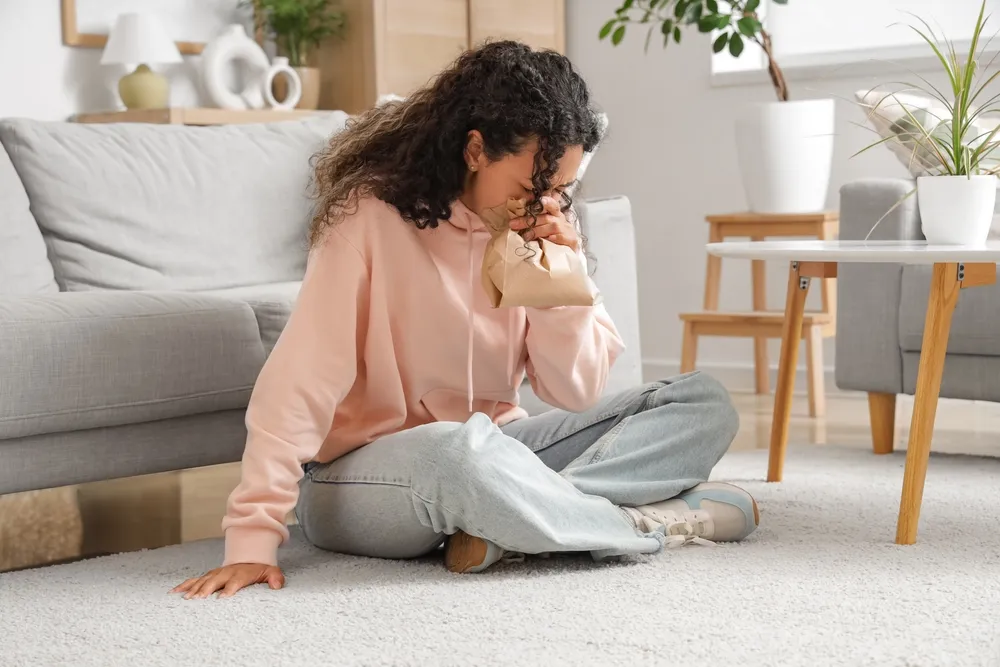
Panic Disorder vs General Anxiety
These two can overlap, but they feel very different:
General anxiety
Builds gradually and stays in your thoughts. It often involves ongoing worry, overthinking, and mental tension.
Panic disorder
It is sudden and physical. It involves intense episodes that peak quickly, often with symptoms like a racing heart, dizziness, or shortness of breath.
A simple way to tell:
- If your experience is constant thinking and worry, it leans toward anxiety
- If your experience is sudden spikes with strong physical symptoms and fear of them returning, it leans toward panic disorder
That difference matters because panic disorder treatment focuses on breaking the physical-fear cycle, while anxiety therapy addresses persistent worry and ongoing mental tension.
What Panic Disorder Therapy Actually Focuses On
Panic disorder therapy focuses on breaking the cycle that keeps panic attacks and the fear of them going.
Understanding panic cycles
The first step is learning how panic attacks develop and what patterns are involved. This includes identifying triggers, recognizing early signs, and understanding how the cycle builds.
Reducing fear of symptoms
A key part of therapy is changing how you interpret physical sensations. When those sensations are no longer seen as dangerous, the intensity of the response begins to decrease.
Regulating physical response
The first step is learning how panic attacks develop and what patterns are involved. This includes identifying triggers, recognizing early signs, and understanding how the cycle builds.
Gradual exposure
Avoidance is addressed in a structured way. Instead of continuing to avoid situations, therapy helps you re-enter them gradually so your system can learn that they are safe.

What Starts to Change Over Time
As panic disorder is addressed more directly, the changes become noticeable in both your physical and mental experience.
Panic attacks often become less frequent and less intense. When they do occur, they are easier to manage and pass more quickly. The fear of having another attack begins to decrease, which reduces the overall level of anxiety in your system.
Confidence increases as you begin to return to situations that were previously avoided. Over time, this allows you to rebuild your routine and feel more in control of your daily life.
When Panic Disorder Starts Affecting Your Life
Panic disorder can have a significant impact when it begins to shape your decisions and behavior.
You may avoid certain places or situations because of the possibility of having a panic attack. Being alone may feel more difficult if you are concerned about how you would handle an episode. Constant monitoring of your body can make it harder to relax or focus on other things.
When these patterns start to limit your routine or create ongoing fear, it is usually a sign that panic disorder treatment can help you regain control.
Panic Disorder Therapy in Miami, FL
Panic disorder therapy in Miami at Innovative Counseling, LLC focuses on helping you step out of the cycle where physical sensations trigger fear, and that fear keeps the pattern going. When panic feels unpredictable, the goal is not to eliminate every sensation, but to change how your system responds so it no longer escalates the same way.
Telehealth sessions allow you to work through these patterns consistently without adding more pressure to your routine. If your experience involves sudden episodes, ongoing monitoring of your body, or adjusting your life to avoid another attack, this is where that cycle begins to shift.
Frequently Asked Questions About Panic Disorder Therapy
How do I know if I have panic disorder?
If you experience recurring panic attacks along with ongoing fear of having another one, it may indicate panic disorder. The combination of sudden episodes and anticipatory anxiety is a key factor.
Are panic attacks dangerous?
Panic attacks can feel intense and alarming, but they are not physically dangerous. The symptoms are part of your body’s stress response, even though they may feel serious in the moment.
What therapy works best for panic attacks?
Therapy that focuses on understanding panic cycles, reducing fear of physical symptoms, and gradually reducing avoidance is commonly used. The approach is tailored to how panic disorder shows up for you.
How long does panic disorder treatment take?
The timeline varies depending on the frequency and intensity of panic attacks. Some people notice improvement relatively quickly, while others benefit from longer-term work.
Do you offer online panic disorder therapy in Miami?
Yes, panic disorder therapy is available through telehealth, allowing you to access support from a private and convenient setting without adding additional stress to your schedule.
Related: How to calm anxiety — 15 techniques that work (with a free PDF toolkit).