

- PTSD changes how certain moments are experienced rather than how they are remembered.
- PTSD symptoms tend to follow recognizable patterns.
- Triggers are often more subtle and varied than people expect.
- Both involve difficult past experiences, but the way they show up is different.
PTSD counseling works on separating those reactions from the present moment so they no longer take over in the same way. The focus is not only on the event itself, but on how your system learned to respond and why it continues to react as if the situation is still active.

When the Past Keeps Showing Up in the Present
PTSD changes how certain moments are experienced rather than how they are remembered. A sound, a tone, or a situation can shift your state quickly, without much warning. What follows is not just a thought about what happened, but a full-body reaction that feels immediate and difficult to step out of while it is happening.
In those moments, your attention narrows and your system prioritizes responding over evaluating. Even when part of you recognizes that you are safe, the reaction has already started. That gap between what you know and how your body responds is what makes these experiences feel hard to control and unpredictable in everyday situations.
Common PTSD Symptoms (What People Actually Experience)
PTSD symptoms tend to follow recognizable patterns. While the intensity and frequency may vary, the underlying experience is often consistent across individuals.
Intrusive thoughts and flashbacks
You may experience unwanted memories or images that come up suddenly and feel difficult to control. In some cases, these moments feel like you are reliving parts of the experience, with strong emotional and physical reactions that match what you felt at the time.
Avoidance patterns
Avoidance is a common response to PTSD. This can include staying away from certain places, people, or conversations that might bring up memories. It can also involve avoiding thoughts or emotions connected to the experience. While avoidance can reduce discomfort in the short term, it often reinforces the pattern over time.
Hypervigilance
Many people with PTSD feel constantly on edge. You may be easily startled, highly aware of your surroundings, or unable to fully relax. Your system stays in a state of alertness, even when there is no immediate threat.
Emotional and physical reactions
PTSD can involve a wide range of emotional responses, including anxiety, anger, or emotional shutdown. Physical symptoms such as sleep disturbances, tension, or strong stress responses are also common. These reactions often feel disproportionate to the current situation but are connected to past experiences.
Why PTSD Feels So Immediate
PTSD is not just about memory. It is about how your brain and body process threat and safety.
The brain processes threat differently
In PTSD, the brain does not fully separate past and present experiences. When something triggers a memory, your system can respond as if the situation is happening again, rather than recognizing it as something that has already passed.
Triggers activate full responses
Triggers do not lead to partial reactions. They often activate the full response that was present during the original experience. This is why reactions can feel intense and immediate, even if the trigger itself seems minor.
The system doesn’t reset
Without intervention, your nervous system may remain in a heightened state. This ongoing activation makes it difficult to fully relax or return to a baseline sense of safety, even when your environment is stable.

What Triggers PTSD Symptoms
Triggers are often more subtle and varied than people expect. They are not always obvious reminders of what happened.
Certain sounds, smells, or environments can activate a response without clear explanation. Conversations, tone of voice, or specific situations may also trigger reactions. In some cases, internal states such as stress, fatigue, or emotional discomfort can bring up the same patterns.
Because triggers can be unpredictable, they can make everyday life feel less stable. Understanding these triggers is an important part of PTSD therapy and helps make your reactions more manageable.
PTSD vs General Trauma
Both involve difficult past experiences, but the way they show up is different.
- General trauma often affects how you think, feel, or relate to certain situations. The impact is there, but it tends to be more consistent and less sudden.
- PTSD involves specific reactions that activate quickly and feel immediate. These can include flashbacks, strong physical responses, or sudden shifts in awareness when something triggers the memory.
A simple way to separate them:
- If the experience is ongoing and present in the background, it leans toward general trauma
- If it involves sudden, state-shifting reactions that feel like the situation is happening again, it leans toward PTSD
That distinction matters because PTSD treatment focuses more directly on interrupting those immediate reactions, not just understanding the experience itself.

What PTSD Therapy Actually Focuses On
PTSD therapy focuses on helping your system respond differently so that past experiences no longer create the same level of disruption in your present life.
Stabilization first
The first step is creating a sense of safety and stability. This includes learning ways to stay grounded and reduce the intensity of reactions so that you feel more in control during triggering moments.
Understanding triggers
Therapy helps identify and map out the specific triggers that activate your responses. This makes patterns more predictable and allows you to approach them with more awareness.
Processing traumatic experiences
Instead of avoiding or suppressing memories, therapy provides a structured way to process them. This reduces their emotional intensity and changes how they are stored and accessed.
Rebuilding sense of control
Over time, you begin to experience more control over your reactions. Situations that once felt overwhelming become more manageable, and your responses become less automatic.

What Starts to Change With PTSD Therapy
As PTSD is addressed more directly, the changes tend to show up in both your reactions and your overall sense of stability. Intrusive memories may become less frequent or less intense. Triggers that once caused strong reactions become easier to manage, and recovery time after those reactions becomes shorter. Sleep often improves as your system becomes less activated.
Most importantly, you begin to feel more in control of how you respond. Instead of reacting automatically, you are able to stay present and make more intentional choices in how you handle situations.
When PTSD Starts Affecting Your Life
PTSD often has a gradual impact that becomes more noticeable over time. You may begin avoiding situations without fully understanding why, or feel constantly on edge even in safe environments.
Relationships can become more difficult if trust or vulnerability feels unsafe. Daily functioning can be affected by intrusive thoughts, poor sleep, or the effort required to manage reactions. When these patterns start shaping your decisions and limiting how you live your life, it is usually a sign that PTSD counseling can help create meaningful change.
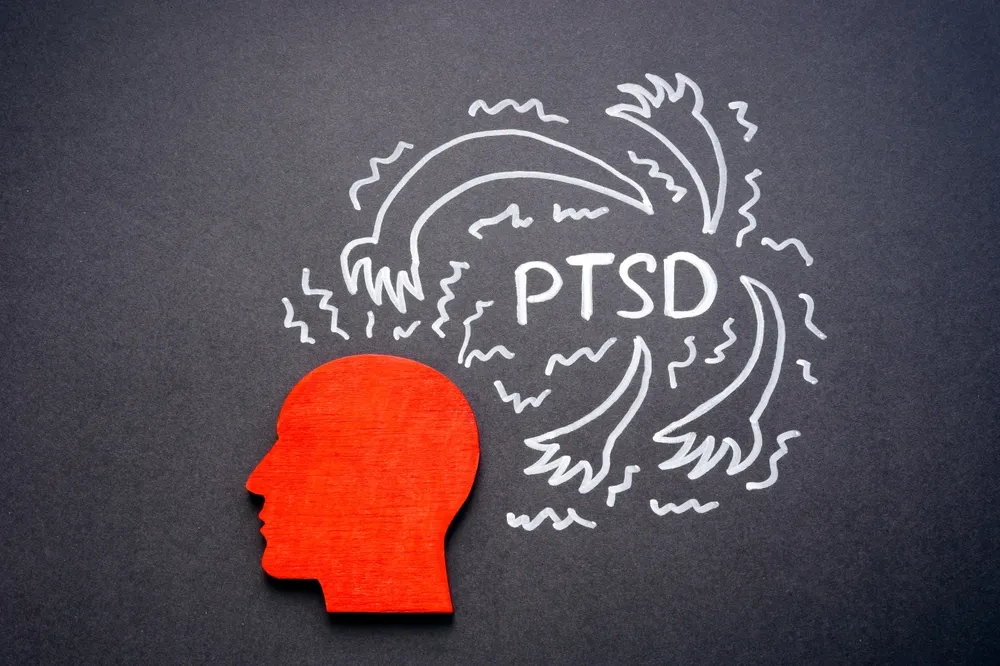
Normal Stress Reactions vs PTSD
After a frightening or overwhelming event, it is common to feel anxious, sad or angry, to sleep badly, to have trouble concentrating and to keep thinking about what happened. The National Institute of Mental Health notes that most people recover from these early reactions, and that they ease over time.
PTSD is considered when the reactions do not ease: when symptoms last for an extended period after the event and start to interfere with daily life, such as work or relationships. Some people feel stressed or frightened even when they are no longer in danger. For others, symptoms seem to appear or worsen later, sometimes around a new stress, an anniversary or a reminder they did not expect.
A diagnosis is made by a qualified professional, not by an online checklist. What matters for starting therapy is simpler: if the reactions described on this page are shaping your days, they are worth treating, whatever the label turns out to be.
Treatments With the Strongest Research Support
PTSD is one of the most studied conditions in mental health, and there is broad agreement about which therapies help most. The U.S. National Center for PTSD says the talk therapies with the most research support are trauma-focused, meaning they focus on the traumatic event and what it means to you:
- Cognitive Processing Therapy (CPT) helps you examine and change beliefs that took hold after the trauma, such as “it was my fault” or “I can never be safe.”
- Prolonged Exposure (PE) helps you gradually approach the memories, places and situations you have been avoiding, so they lose their power.
- EMDR asks you to briefly hold a memory in mind while following a back-and-forth movement or sound. In most cases you are not asked to describe the details, and there is no homework between sessions.
The UK’s NICE guideline recommends trauma-focused CBT and EMDR for adults with PTSD, each typically delivered over 8 to 12 sessions, and more when clinically needed, for example after multiple traumas. The NHS adds that medicines, usually an antidepressant, are another option; these are prescribed by a medical provider, and your therapist can talk with you about when to raise them with your doctor. The VA/DoD 2023 guideline is the main U.S. clinical guideline on PTSD treatment and is a useful reference if you want to read further.
Which approach fits you depends on your history, your preferences and how much stabilization you need first. Many people find that knowing they have options makes it easier to begin. Compare approaches in EMDR vs CBT and EMDR vs talk therapy.
How PTSD Therapy Works Here, Step by Step
- Free 15-minute consultation. A short call to describe what is happening, ask questions and decide whether to go ahead. You do not have to recount the event.
- Matching and benefits. You are matched with a counselor, and if you are using insurance for individual counseling, your benefits are verified before the first session.
- Assessment. Your therapist asks about your symptoms, sleep, safety, substance use, relationships and goals, and about the event or events at a pace you can manage. Together you agree on what you most want to change.
- Stabilization. You learn ways to ground yourself during flashbacks, settle your body when it goes into alarm, and get through difficult nights. Good care does not skip this step.
- Trauma-focused work. With those skills in place, therapy turns to the memories and beliefs that keep the symptoms going, using EMDR or another trauma-focused approach.
- Review and relapse planning. You check progress regularly. Toward the end, you plan for anniversaries, stressful periods and early warning signs, so you know what to do if symptoms flare later. NICE suggests planning booster sessions around significant dates when needed.
The National Center for PTSD describes EMDR as about three months of weekly sessions and notes that many people start to notice improvement after a few. Sessions at Innovative Counseling are 50 to 60 minutes. Your own course may be shorter or longer, and your therapist will talk with you openly about how it is going. See how many EMDR sessions you may need.
Getting Through the Hard Parts Between Sessions
Therapy happens once a week; PTSD happens every day. These are general strategies many therapists teach early on. They are not a substitute for treatment, but they can make the weeks in between more manageable.
When a flashback or surge of panic starts
- Name where you are and what is real right now: the date, the room, what you can see and hear.
- Use your senses: hold something cold, press your feet into the floor, describe five things you can see.
- Slow your breathing, making the out-breath longer than the in-breath.
- Remind yourself that this is a memory, it is not happening now, and it will pass.
For sleep and nightmares
- Keep a steady wake-up time, even after a bad night.
- Build a wind-down routine that does not involve news, arguments or work.
- If you wake from a nightmare, get grounded before trying to sleep again: lights on, feet on the floor, a few slow breaths.
- Tell your therapist about nightmares; they are a common focus of treatment, not something to put up with.
For triggers in daily life
- Keep a simple log of what set off a reaction and what helped. Patterns often become clear within a few weeks.
- Plan ahead for situations you know are hard, including an exit if you need one.
- Notice avoidance. Short-term relief can make the world smaller over time, which is something to work on in therapy rather than alone.
For more on why the body reacts this way, read fight, flight, freeze and fawn.
PTSD Therapy by Telehealth, Cost and Insurance
PTSD therapy is offered by secure telehealth anywhere in Florida, in English or Spanish, and in person at the Kendall office for those who prefer it. For video sessions, choose a private room, use headphones, keep something grounding nearby, and be physically in Florida during the session. If you are interested in EMDR by video, read online EMDR therapy.
PTSD therapy is individual counseling. Innovative Counseling accepts insurance for individual counseling with Aetna, Oscar, UnitedHealthcare, Oxford, AvMed, Cigna, UMR and Student Resources, and verifies your benefits before the first session. Self-pay sessions are $130 for 50 to 60 minutes. See EMDR therapy cost and insurance for the questions to ask your plan.
Veterans may also be eligible for PTSD care through the VA; the National Center for PTSD website explains the options. For a wider view of trauma, PTSD and EMDR, see the EMDR & Trauma Guide and our page on PTSD in first responders.
If You Need Help Right Now
Innovative Counseling is an outpatient practice and does not provide emergency or after-hours crisis care. If you are thinking about harming yourself or someone else, or you feel unable to stay safe, call or text 988 for the Suicide & Crisis Lifeline (veterans can press 1), or call 911.
Sources for this section
- National Institute of Mental Health, Post-Traumatic Stress Disorder
- U.S. Department of Veterans Affairs, National Center for PTSD: PTSD Treatment Basics
- U.S. Department of Veterans Affairs, National Center for PTSD: Eye Movement Desensitization and Reprocessing (EMDR) for PTSD
- National Institute for Health and Care Excellence (2018). Post-traumatic stress disorder, NICE guideline NG116
- NHS, Post-traumatic stress disorder (PTSD): Treatment
- VA/DoD Clinical Practice Guideline for the Management of Posttraumatic Stress Disorder and Acute Stress Disorder (2023)
- 988 Suicide & Crisis Lifeline
PTSD Therapy in Miami, FL
PTSD therapy in Miami at Innovative Counseling, LLC is centered on helping your system recognize that those moments are no longer happening now. When reactions feel immediate, the work focuses on creating enough separation so they do not take over your attention or dictate how you respond in the moment.
Telehealth sessions allow you to approach this consistently without adding additional pressure around scheduling or environment. If certain situations shift your state quickly or leave you feeling unsettled afterward, this is where those reactions begin to change.
Frequently Asked Questions About PTSD Therapy
How do I know if I have PTSD?
If you experience ongoing symptoms such as intrusive memories, avoidance, hypervigilance, or strong reactions to triggers, it may indicate PTSD. These patterns typically persist even when the original situation has passed.
Can PTSD go away without therapy?
Some symptoms may improve over time, but PTSD patterns often continue without targeted support. Therapy helps address the underlying responses so they do not keep repeating.
What therapy works best for PTSD?
PTSD therapy often includes approaches that focus on both processing past experiences and regulating current responses. The exact approach depends on how symptoms are showing up for you.
How long does PTSD therapy take?
The timeline varies based on the severity of symptoms and your goals. Some people notice changes relatively quickly, while others benefit from longer-term work.
Do you offer online PTSD therapy in Miami?
Yes, PTSD therapy is available through telehealth, allowing you to access support from a private and convenient setting without adding additional pressure to your schedule.
Which therapies work for PTSD?
According to the U.S. National Center for PTSD, the talk therapies with the most research support are trauma-focused: Cognitive Processing Therapy, Prolonged Exposure and EMDR. NICE also recommends trauma-focused CBT and EMDR for adults. Your therapist will help you choose based on your history and preferences.
Do I need a formal PTSD diagnosis to start therapy?
No. Many people begin because their reactions are affecting daily life, without a diagnosis. Your therapist assesses your symptoms in the first sessions and explains what they see.
Can PTSD symptoms start long after the event?
It can happen. Some people notice symptoms appearing or getting worse months or years later, often around a new stress, a loss, an anniversary or an unexpected reminder. Whenever they start, they are worth taking seriously and talking through with a professional.
What if I cannot talk about what happened?
That is common, and you will not be pushed. Therapy starts with stabilization, and in EMDR you are usually not asked to describe the details of the event aloud, although you will think about it during processing.
Is PTSD therapy covered by insurance?
PTSD therapy is individual counseling, which Innovative Counseling bills to Aetna, Oscar, UnitedHealthcare, Oxford, AvMed, Cigna, UMR and Student Resources after verifying your benefits. Self-pay sessions are $130 for 50 to 60 minutes.
Is PTSD therapy available in Spanish?
Yes. The team is bilingual, and PTSD therapy is available in English and Spanish by telehealth anywhere in Florida. See terapia de trauma y EMDR en Miami.