
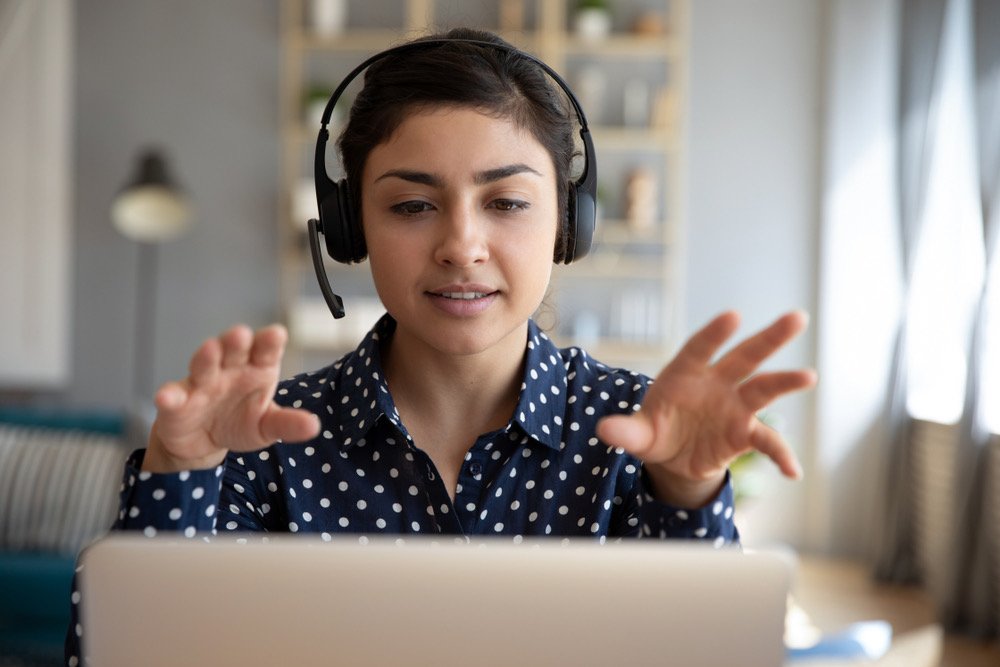
- One of the most underestimated benefits of online therapy is how your physical environment shapes the emotional depth of your sessions.
- When you limit yourself to therapists within a short driving distance, you’re dramatically narrowing your options.
- Despite tremendous progress in normalizing mental health care, stigma still exists — especially in certain communities, workplaces, and family systems.
- Here’s a benefit most therapists don’t advertise enough: when you attend therapy from home, your therapist gets a window into the world you actually live in.
Table of Contents
You already know online therapy is convenient. You can attend a session from your couch, skip the commute, and squeeze mental health care into a packed schedule. But what if we told you that convenience barely scratches the surface? There are powerful, research-backed advantages to virtual therapy that most people never think about — benefits that can genuinely accelerate your healing journey.
In this post, our team at Innovative Counseling explores seven often-overlooked benefits of online therapy that go far beyond simply saving time. Whether you’re just beginning to explore virtual mental health support or you’re weighing your options, our complete guide to online therapy in Florida is a great place to start. Now let’s dive into the surprising reasons so many of our clients say they actually prefer their virtual sessions.
1. The Comfort of Your Own Space Creates Deeper Vulnerability
One of the most underestimated benefits of online therapy is how your physical environment shapes the emotional depth of your sessions. When you’re sitting in a therapist’s office — even a warm, beautifully decorated one — there’s an inherent formality that can make it harder to let your guard down. You’re in someone else’s space, on someone else’s terms.
At home, surrounded by your own belongings, wrapped in your favorite blanket, or sitting in the corner of the house where you feel safest, something shifts. Our therapists consistently notice that clients in virtual sessions often open up more quickly and dive into vulnerable topics sooner. Research published in the Journal of Affective Disorders supports this observation, finding that many clients report feeling more comfortable disclosing sensitive information in telehealth settings.
This doesn’t mean in-office therapy can’t be deeply transformative — it absolutely can. But if you’ve ever felt stiff or guarded during a session, the familiarity of home might be exactly what helps you break through.
2. Greater Therapist Selection Means a Better Clinical Match
When you limit yourself to therapists within a short driving distance, you’re dramatically narrowing your options. The right therapeutic match — someone who specializes in your specific concern, shares a communication style that resonates with you, or has cultural competency relevant to your background — can make or break your progress.
Online therapy removes geographic barriers entirely. If you live in the Florida Keys but the therapist who specializes in EMDR for complex trauma is based in Miami, virtual sessions make that connection seamless. Our team at Innovative Counseling serves clients across the entire state of Florida through telehealth, which means you’re choosing us because we’re the right fit, not just the closest option.
Studies from the American Psychological Association confirm that the therapeutic alliance — the relationship between therapist and client — is one of the strongest predictors of positive outcomes. When online therapy helps you find that ideal match, the results speak for themselves. If you’re still deciding between virtual and in-person options, our post on telehealth vs. in-office counseling can help you weigh the differences.
3. Reduced “Therapy Stigma” for Those Who Need It Most
Despite tremendous progress in normalizing mental health care, stigma still exists — especially in certain communities, workplaces, and family systems. For some of our clients, simply walking into a therapist’s office feels like a public declaration they’re not ready to make. They worry about running into someone in the waiting room, having their car spotted in the parking lot, or fielding questions about recurring appointments.
Online therapy quietly eliminates all of that. Your session looks no different from any other video call in your day. Nobody needs to know unless you choose to tell them. This discretion isn’t about shame — it’s about giving yourself permission to seek help on your own terms, without external pressure or judgment.
We’ve seen this benefit be especially meaningful for teens, men who are seeking therapy for the first time, and professionals in high-visibility roles. Understanding how client-patient privilege enhances online therapy can provide even more peace of mind about confidentiality in virtual sessions.
4. Real-Time Access to Your Emotional Environment
Here’s a benefit most therapists don’t advertise enough: when you attend therapy from home, your therapist gets a window into the world you actually live in. This is enormously valuable for the clinical process.
If you’re working through anxiety, your therapist can observe how you interact with your environment in real time. If you’re navigating a difficult family dynamic, the sounds and interruptions in your background (even the ones you apologize for) can become part of the therapeutic conversation. If your living space reflects your internal state — cluttered, dark, chaotic, or meticulously controlled — a skilled therapist can incorporate those observations gently and meaningfully.
This isn’t about surveillance; it’s about context. In traditional office settings, therapists rely entirely on your verbal descriptions. In online therapy, there’s an added layer of authentic, in-the-moment information that can deepen understanding and guide treatment more effectively. Our clinicians are trained to use these subtle cues as therapeutic tools, always with respect and sensitivity.
5. Better Consistency and Fewer Canceled Sessions
Life gets in the way of therapy constantly. A flat tire, a sick child, unexpected overtime, a Florida afternoon thunderstorm that turns your commute into a two-hour ordeal — any of these can derail an in-person appointment. And every missed session is a disruption to the momentum of your healing.
Online therapy dramatically reduces cancellations. Research from multiple telehealth studies shows that no-show rates for virtual appointments are significantly lower than for in-person visits. When all you need is a device and a private space, the barriers to showing up shrink considerably. You can log in from your car on a lunch break, from a hotel room during a work trip, or from your bedroom when you’re feeling too low to leave the house.
Consistency is one of the most important factors in therapeutic progress. The more regularly you show up, the faster and more lasting your results tend to be. Online therapy doesn’t just make it easier to start therapy — it makes it easier to stay in therapy.
6. A Natural Bridge Between Sessions and Daily Life
Traditional therapy can sometimes feel compartmentalized: you go to the office, you do the hard emotional work, and then you drive home and re-enter your “regular” life. The transition between therapy mode and everyday mode can feel jarring, and insights from the session can fade quickly.
With online therapy, the boundary between session and daily life is softer — and that’s actually a good thing. After a virtual session ends, you’re already home. You can immediately journal about what came up, practice a grounding technique your therapist just taught you, or simply sit with your emotions in a space that feels safe. There’s no need to pull yourself together for a drive or mask your feelings in traffic.
Many of our clients tell us they feel more connected to their therapeutic work throughout the week because their sessions happen in the same space where they live, parent, work, and navigate their challenges. Learning the art of talking to a virtual mental health counselor can help you make the most of this seamless integration between sessions and real life.
7. Accessibility for People with Physical or Neurological Challenges
This benefit deserves far more attention than it gets. For individuals with chronic pain, mobility limitations, autoimmune conditions, agoraphobia, severe social anxiety, or sensory processing sensitivities, getting to a therapist’s office can be not just inconvenient but genuinely distressing or physically impossible.
Online therapy isn’t just an alternative for these individuals — it’s often the only viable option. And it’s not a lesser option. Research consistently demonstrates that virtual therapy produces outcomes comparable to in-person therapy for a wide range of conditions, including depression, anxiety, PTSD, and relationship concerns.
At Innovative Counseling, we’ve had the privilege of working with clients who spent years avoiding therapy because the logistics of getting to an office were simply too overwhelming. When they discovered they could access licensed, compassionate care from a safe space at home, everything changed. Mental health support should be accessible to everyone, and online therapy is one of the most powerful tools we have for making that a reality.
Frequently Asked Questions
Is online therapy as effective as in-person therapy?
Yes. Multiple large-scale studies, including research published by the American Psychological Association and the Journal of Clinical Psychology, have found that online therapy produces outcomes that are comparable to face-to-face sessions for most conditions, including anxiety, depression, trauma, and relationship issues. The key factors are the quality of the therapeutic relationship and consistency of attendance — both of which can be equally strong in virtual settings.
What technology do I need for online therapy?
You need a device with a camera and microphone (a smartphone, tablet, laptop, or desktop computer), a stable internet connection, and a private space where you can speak openly. Our team uses a secure, HIPAA-compliant platform that’s simple to access — no special software downloads required.
Is online therapy covered by insurance in Florida?
Many insurance plans in Florida now cover online therapy at the same rate as in-person sessions. Florida law has expanded telehealth coverage significantly in recent years. We recommend contacting your insurance provider directly or reaching out to our team, and we’ll help verify your benefits before your first session.
Can online therapy work for couples or families, not just individuals?
Absolutely. Virtual sessions work beautifully for couples therapy and family therapy. In fact, telehealth can make it easier for both partners or multiple family members to attend consistently, especially when coordinating schedules and travel would otherwise be a barrier.
How do I know if online therapy is right for me?
If you have a private space, a reliable internet connection, and a willingness to engage, online therapy is likely a great fit. It’s especially beneficial if you have a busy schedule, live in a rural area, experience mobility challenges, or simply prefer the comfort of home. If you’re unsure, a free consultation is the perfect way to find out.
Ready to Take the Next Step?
At Innovative Counseling, our licensed therapists in Miami specialize in online therapy and telehealth services across Florida. Whether you prefer in-person sessions at our Kendall office or online therapy from anywhere in Florida, we’re here to help.
Book Your Free 15-Minute Consultation →
Your journey to healing starts here.
Take the first step towards a brighter future with Innovative Counseling – where innovation meets compassion.



