
- Grief is a natural reaction to losing someone or something important to you.
- EMDR therapy offers a unique way to work through the pain of grief, especially when it feels complicated or traumatic.
- The process of using EMDR for grief is gentle, structured, and always centered on your emotional safety.
- Engaging in EMDR therapy for grief can provide profound relief and help you find a path forward without leaving your loved one behind.
Table of Contents
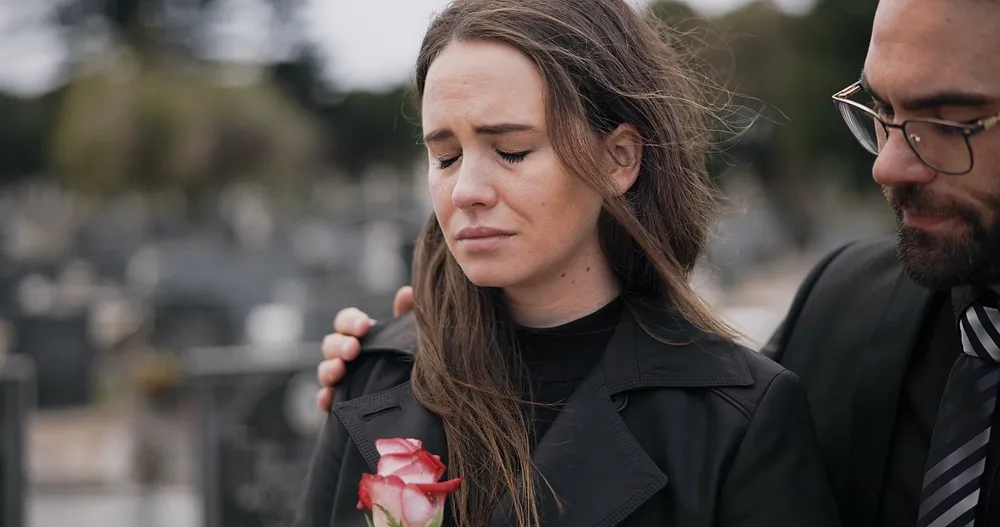
Grief is a universal and deeply personal response to loss. It is the natural emotional process we go through when someone we care about is no longer with us. While grief is a journey everyone navigates differently, some individuals find themselves stuck in intense emotional pain, unable to move forward. The memories connected to the loss can feel raw and overwhelming, making it difficult to find peace. When grief feels this heavy, it can seem like the pain will never subside.
At Innovative Counseling, we provide a compassionate space to navigate these complex feelings. We offer Eye Movement Desensitization and Reprocessing (EMDR) therapy, a gentle but powerful approach that can help individuals process the painful memories associated with their loss. EMDR doesn’t erase the memory of your loved one; instead, it helps reduce the overwhelming emotional distress, allowing you to remember them with love and find a way to move forward while still honoring their significance in your life.
Understanding Grief and Emotional Loss
Grief is a natural reaction to losing someone or something important to you. It affects every part of your being—your emotions, your thoughts, your body, and your spirit. The path of grief is not linear; it often comes in waves, with good days and bad days. It can disrupt your daily functioning, making it hard to concentrate, sleep, or even find the energy to get through the day. There is no right or wrong way to grieve, and everyone’s experience is unique.
While society often puts an unspoken timeline on mourning, the reality is that grief has no expiration date. It is a process of learning to live in a world that has been permanently changed by loss. For many, the sharp pain of early grief eventually softens into a more manageable sense of longing and remembrance. However, for some, the intensity of the grief does not fade with time.
Common Emotional Responses to Grief
The grieving process can bring forth a wide range of powerful and sometimes surprising emotions. It’s common to feel like you’re on an emotional rollercoaster. Some of these responses may include:
- Sadness or Emptiness: A profound sense of sorrow, despair, or a feeling that a part of you is missing.
- Longing for the Person Who Passed Away: An intense yearning to see, hear, or be with your loved one again.
- Guilt or Regret: Ruminating on things you wish you had said or done differently, or feeling guilty for being alive when your loved one is not.
- Anger: Feeling angry at the person for leaving, at the circumstances of the death, at doctors, at God, or even at yourself.
- Difficulty Concentrating: Grief can create a “brain fog,” making it hard to focus on tasks, remember things, or make decisions.
- Sleep Disruptions: You might struggle with insomnia, sleep more than usual, or have distressing dreams or nightmares related to the loss.
When Grief Becomes Overwhelming
For some, the grieving process becomes complicated and prolonged. The pain remains fresh and debilitating, preventing them from adapting to the loss. This is often referred to as complicated grief. It can feel like you are stuck in an acute state of mourning for months or even years. Grief can become particularly overwhelming when:
- The loss was sudden or traumatic: A death from an accident, violence, or an unexpected medical event can leave you feeling shocked and traumatized.
- The relationship was complicated: If you had a difficult or unresolved relationship with the person who died, it can make processing the loss more challenging.
- You have a history of other losses or trauma: Past experiences can make you more vulnerable to complicated grief.
- You lack a strong support system: Feeling isolated and alone in your grief can make the process much harder.
When grief remains this intense, it’s not a sign of weakness; it’s a sign that the pain and associated memories may be “stuck” and require additional support to process.
How EMDR Therapy Helps Process Grief
EMDR therapy offers a unique way to work through the pain of grief, especially when it feels complicated or traumatic. It focuses on how the memories related to the loss are stored in the brain. Sometimes, particularly distressing memories—like witnessing a traumatic death, the final moments with a loved one, or receiving the news—can become frozen in the mind, keeping the emotional pain raw and current. EMDR helps the brain reprocess these memories, allowing the intense distress to finally soften.
Processing Painful Memories of the Loss
The goal of EMDR in grief therapy is to help reduce the emotional intensity tied to specific, painful memories. Your therapist will help you identify the moments that are causing the most distress. Through the use of bilateral stimulation (such as guided eye movements), EMDR helps your brain to “digest” these memories. It doesn’t make you forget what happened. Instead, it helps you separate the memory from the overwhelming pain. You can begin to remember your loved one or the circumstances of their death without being flooded by anguish, anger, or guilt.
Addressing Trauma Associated With Loss
When a loss is connected to a traumatic event, grief can become intertwined with symptoms of PTSD. You might experience flashbacks of the accident, intrusive images of the hospital, or intense anxiety related to the circumstances of the death. EMDR, which is best studied for PTSD, can target these traumatic aspects directly. By resolving the trauma, you can create the emotional space needed to grieve the person you lost, rather than being constantly haunted by the horror of how you lost them.
Supporting Emotional Healing
Ultimately, EMDR therapy supports the natural healing process. Grief is not a problem to be solved, but a process to be honored. EMDR helps by removing the barriers—the “stuck” traumatic memories and overwhelming emotions—that are preventing you from moving through your grief. As these barriers are processed, you may find that you can develop a more balanced and peaceful relationship with your memories. It allows you to remember your loved one with love rather than with debilitating pain, integrating their memory into your life in a way that feels healthy and sustainable.
What EMDR Therapy for Grief Looks Like
The process of using EMDR for grief is gentle, structured, and always centered on your emotional safety. Your therapist at Innovative Counseling will guide you with compassion, ensuring you feel prepared and supported as you navigate this tender work.
Identifying Memories Connected to the Loss
The process begins by talking with your therapist to identify the specific aspects of your grief that are causing the most pain. This might include distressing memories of the death itself, painful moments during an illness, unresolved conversations, or even happy memories that now feel too painful to recall. You and your therapist will create a plan that focuses on these target memories in a way that feels manageable for you.
Using Bilateral Stimulation During Processing
During the processing phase, your therapist will ask you to bring a target memory to mind while you follow their fingers with your eyes or listen to alternating tones. This bilateral stimulation helps your brain make new connections and process the “stuck” information. You are in complete control and can stop at any time. You don’t need to talk in detail about the memory as it’s being processed; you simply notice what comes up, allowing your brain to do its natural healing work.
Integrating Healthier Emotional Responses
As the distressing memories are processed, clients often report feeling a sense of relief and distance from the intense pain. The memory becomes less emotionally charged. Over time, you may find that you can recall memories of your loved one with more warmth and less anguish. The therapy helps you integrate the reality of the loss while holding onto the love, allowing you to build a new relationship with the memory of the person you lost.
Benefits of EMDR Therapy for Grief
Engaging in EMDR therapy for grief can provide profound relief and help you find a path forward without leaving your loved one behind.
Reducing Emotional Distress Linked to Memories
One of the most significant benefits is the noticeable reduction in the emotional pain tied to specific memories. Intrusive images may fade, feelings of guilt may lessen, and the constant ache of sadness can begin to soften. This allows you to think about your loved one without being overwhelmed by grief.
Helping Individuals Move Forward After Loss
EMDR can help you get “unstuck” from the most painful parts of your grief, allowing you to re-engage with life. It’s not about “getting over” the loss but about integrating it in a way that allows you to live a full and meaningful life again. This can be especially helpful for those whose grief is complicated by childhood trauma or pre-existing anxiety.
Supporting Emotional Resilience
By processing the most painful aspects of your loss, you build emotional resilience. You learn that you can survive immense pain and find peace on the other side. This can strengthen your ability to cope with future challenges and foster a deeper sense of inner strength and hope.
Who May Benefit From EMDR Therapy for Grief
EMDR is not necessary for everyone who is grieving, but it can be incredibly helpful for individuals whose grief feels stuck, traumatic, or unending. You might consider EMDR for grief if you are experiencing:
- Sudden or traumatic loss: The death was unexpected, violent, or occurred under frightening circumstances.
- Unresolved grief: It has been years since the loss, but the pain feels as fresh and intense as it did in the beginning.
- Distressing memories: You are haunted by intrusive images or memories of your loved one’s final moments or the circumstances of their death.
- Intense feelings of guilt or regret: You are stuck in a loop of “what ifs” and “if onlys” related to the loss.
- Symptoms that overlap with trauma: You experience flashbacks, nightmares, or extreme avoidance related to the death.
Grief Is Not a Disorder: When EMDR Fits and When It Does Not
Grief is the cost of loving someone, not a problem to be fixed. Most people who lose someone do not need EMDR, or therapy at all, to grieve. Pain that comes in waves, months of missing someone, crying at a song in the grocery store: these are part of grieving, not signs that something is wrong.
EMDR is not a way to speed grief up or make it stop. Where it can help is narrower and more specific: when particular memories of the loss keep intruding with the same raw force, when guilt or horror is crowding out the ability to remember the person, or when the loss happened in a way that was traumatic in itself. In those cases, the aim is to let you grieve the person rather than keep reliving how you lost them.
It is also worth being honest about the evidence. EMDR’s research base is strongest for post-traumatic stress disorder, and clinical guidelines such as the NICE guideline and the U.S. National Center for PTSD recommend it for PTSD. For grief, therapists use EMDR mainly when the loss is tangled up with traumatic memories, and the research is smaller. For many people, grief counseling without EMDR is the right starting point.
The Moments That Get Stuck
People rarely describe their whole loss as stuck. Usually it is a handful of moments that will not settle:
- The news. The phone call, the doctor’s face, the knock on the door.
- The last days. A hospital room, machines, watching someone struggle to breathe.
- Finding them. Discovering a loved one after a sudden death.
- Not being there. Being far away, abroad or unable to travel when someone died, and the images your mind filled in.
- The last conversation. An argument, an unanswered call, words you wish you had said.
- Decisions. Choices about treatment or end-of-life care that you keep second-guessing.
If the death was a suicide, an overdose, an accident or violence, these moments can be especially intense. You do not have to go through that alone. If you are struggling with thoughts of harming yourself, call or text 988, the Suicide & Crisis Lifeline, which is free, confidential and available 24/7. Innovative Counseling is an outpatient practice and does not provide crisis care. Our article on grief after a sudden loss may also help.
Past, Present and Future: What EMDR Targets in Grief
The EMDR Institute describes treatment as covering past events, current situations that cause distress, and future situations that call for a different response. In grief work, that might look like this:
| Target | Example |
|---|---|
| Past | The image of the emergency room, or the moment you heard the news |
| Present | Driving past the hospital, hearing an ambulance, an empty chair at dinner |
| Future | The first holiday, the anniversary, sorting through their belongings |
Processing the past memory often makes the present reminders less overwhelming. Working on a future situation, such as an upcoming anniversary, can help you face it with more steadiness and less dread.
What an EMDR Session for Grief Can Feel Like
After history-taking and preparation, which includes learning ways to calm yourself during and between sessions, your therapist helps you choose a target: the image, the belief about yourself that comes with it (for example, “I should have known” or “I failed them”), and the emotions and body sensations it brings. You also name a belief you would like to hold instead, such as “I did what I could with what I knew.”
During sets of bilateral stimulation, which the National Center for PTSD describes as lasting about 30 seconds at a time, people grieving often notice:
- Tears, sometimes more than they have cried since the loss. This is not a setback.
- Other memories arriving, including warm or funny ones that had been pushed away by the painful image.
- The painful image shifting, becoming less vivid, more distant or more in context.
- Guilt loosening as the facts of what you knew and could do at the time come into focus.
EMDR does not erase your loved one, the memory of their death or your love for them. People often say the opposite: that once the worst images settled, they could finally remember the whole person again.
Guilt and the Questions That Loop
“What if I had called that night?” “Why did I agree to that treatment?” “I should have seen it coming.” Questions like these are some of the most painful parts of grief, and arguing with them rarely helps, because they are not really questions. They are the mind trying to undo something that cannot be undone.
In EMDR, the belief underneath the question, such as “It was my fault” or “I am responsible,” becomes part of the target. As the memory is processed, many people find that their own understanding shifts without anyone needing to convince them: they remember what they actually knew at the time, what was in their control, and what was not. Sometimes real regret remains, and that can be worked with too, as something to carry rather than something that crushes.
Grief, Family and Culture
Grief happens inside a family and a culture. Some families grieve openly and loudly; others expect quiet strength. Faith traditions shape how people understand death and what comes after. Rituals such as funerals, novenas, shiva or yearly remembrances can be deeply comforting, and missing them, because of distance, a pandemic or family conflict, can leave grief feeling unfinished.
A good therapist will ask about these things rather than assume. EMDR can work alongside your beliefs and traditions, not instead of them. Innovative Counseling offers sessions in English and Spanish.
Anniversaries, Holidays and the Days In Between
Anniversaries, birthdays and holidays often bring grief back sharply, even years later. NICE guidance on PTSD treatment mentions planning extra sessions around significant dates, such as trauma anniversaries, and many grieving people find it helps to plan ahead in the same way.
- Mark the date on purpose. A visit, a meal they loved or a quiet hour can feel better than waiting for the day to ambush you.
- Tell people. Let someone know the date is hard, so you are not carrying it alone.
- Expect stirring after sessions. Dreams about the person, tiredness or a surge of feeling for a few days are common after processing. The National Center for PTSD notes that uncomfortable feelings during EMDR are usually brief.
- Keep a short log. The EMDR Institute describes a brief log between sessions as part of the closing phase.
- Talk to your therapist before a hard date, so you can prepare together.
Read more in how you may feel after EMDR, or see our grief and bereavement counseling page and the full EMDR & Trauma Guide.
Sources for this section
Frequently Asked Questions
Can EMDR help with grief?
It can, especially when particular memories of the loss keep intruding, when guilt or traumatic images crowd out other memories, or when the death itself was traumatic. EMDR’s research base is strongest for PTSD, and for many people grief counseling without EMDR is the right starting point.
Will EMDR make me forget my loved one?
No. EMDR does not erase memories. The aim is for the most painful images to feel less overwhelming, so you can remember the whole person, not only how you lost them.
How soon after a death can I start EMDR?
There is no rule, and early grief is not something to process away. Many people start when particular memories are still intruding with full force months after the loss, or when grief feels stuck. A consultation can help you decide whether now is the right time.
Can EMDR help with guilt after a loss?
Guilt is often a central target. The belief underneath it, such as “It was my fault,” is processed along with the memory, and many people find their understanding of what they could and could not have done shifts on its own.
Is EMDR used for grief after suicide?
Losses to suicide can involve traumatic images and intense guilt, which EMDR can work with once there is enough stability. If you are having thoughts of harming yourself, call or text 988, the Suicide & Crisis Lifeline. Innovative Counseling is an outpatient practice and does not provide crisis care.
Can I do EMDR for grief online, in Spanish?
Yes. Innovative Counseling offers EMDR by secure telehealth anywhere in Florida, in English or Spanish, starting with a free 15-minute consultation.
Does insurance cover EMDR for grief?
EMDR is part of individual therapy, and Innovative Counseling accepts insurance for individual counseling with Aetna, Oscar, UnitedHealthcare, Oxford, AvMed, Cigna, UMR and Student Resources. Self-pay sessions are $130 for 50 to 60 minutes.
EMDR Therapy for Grief at Innovative Counseling
At Innovative Counseling, our licensed therapists approach grief with the sensitivity, compassion, and respect it deserves. We create individualized treatment plans because we know that every loss and every grieving process is unique. In our supportive therapeutic environment, you will be given the space to honor your loved one while gently processing the pain that is holding you back.
We provide all our specialized services, including EMDR Therapy, through confidential and convenient telehealth appointments across Florida. This allows you to access expert care and support from the privacy and comfort of your own home.
Start EMDR Therapy for Grief
You do not have to navigate the overwhelming pain of grief alone. Healing is not about forgetting; it’s about finding a way to remember with love instead of agony. If your grief feels too heavy to carry, support is available.
Reaching out is a courageous step toward finding peace. Contact Innovative Counseling today to schedule a confidential consultation and learn how EMDR therapy can help you process your loss and begin to heal.
Your journey to healing starts here.
Take the first step towards a brighter future with Innovative Counseling – where innovation meets compassion.



