

- Grief rarely follows a clear progression.
- Grief rarely shows up in just one way.
- Grief is not limited to one type of loss.
- Grief does not always move in a way that gradually becomes easier to manage.
Grief is a natural response to loss, but that does not mean it feels manageable. It can affect your energy, your thinking, your motivation, and your ability to stay engaged in everyday life. Therapy focuses on helping you process the loss and create enough stability that it does not take over your day-to-day experience.

Grief Doesn’t Move in a Straight Line
Grief rarely follows a clear progression. You may feel more stable for a period of time and then find the intensity returning without a clear reason. That shift can feel frustrating, especially when you expected things to keep improving.
There can also be pressure to be at a certain point in the process, whether that comes from other people or from your own expectations. That pressure often makes it harder to respond to what you actually need. Grief tends to move in waves, and trying to force it into a timeline usually adds more strain rather than helping.
What Grief Actually Feels Like
Grief rarely shows up in just one way. It tends to affect how your day feels as a whole, not just how you feel emotionally.
Your focus doesn’t hold the same way
It can be harder to stay mentally present or follow through on tasks. Your attention may drift back to the loss, even when you are trying to focus on something else.
Your energy shifts more than expected
You may feel more fatigued, even without a clear reason. Sleep can change, and everyday tasks can take more effort than they used to.
Your responses feel less predictable
Some moments may feel manageable, while others feel heavier without warning. These shifts are not always tied to something obvious, which makes them harder to anticipate.
Daily life feels different
Things that once felt routine may feel harder to engage with. You may still be doing what you need to do, but it does not feel the same as it did before.
Types of Loss We Work With
Grief is not limited to one type of loss. It can be connected to different experiences that affect your sense of stability and connection. This includes the loss of a loved one, which can have a direct and lasting impact on daily life. It can also include the end of a relationship, where the change affects routines, identity, and expectations about the future. Major life transitions, such as changes in health, career, or family structure, can also create a form of grief.
In some cases, grief begins before the loss itself, which is often referred to as anticipatory grief. Regardless of the type, the underlying experience is about adjusting to something significant that has changed.

When Grief Becomes More Complicated
Grief does not always move in a way that gradually becomes easier to manage. In some cases, it can feel like it remains intense or becomes more difficult over time.
You may feel stuck in certain parts of the experience, such as persistent sadness, ongoing preoccupation with the loss, or difficulty re-engaging with daily life. Adjusting to new routines or roles may feel harder than expected, especially when the loss has affected multiple areas of your life. When grief continues to interfere with your ability to function or feels like it is not shifting over time, grief counseling can help you work through the parts that feel unresolved.
Grief vs Depression or Trauma
Grief can overlap with other experiences, but the way it shows up is different. Grief is tied to a loss and the process of adjusting to what has changed. Even when it is intense, there is usually a clear connection to something that is no longer there. Depression tends to feel more constant and is not always linked to a specific event. Trauma is related to how the mind and body respond to distressing experiences, often showing up as heightened reactivity or difficulty settling.
This distinction matters because the focus of the work changes depending on what is driving your experience. When the core issue is loss and adjustment, grief counseling keeps the attention on helping you process what changed and find a way to function without feeling pulled out of your life.
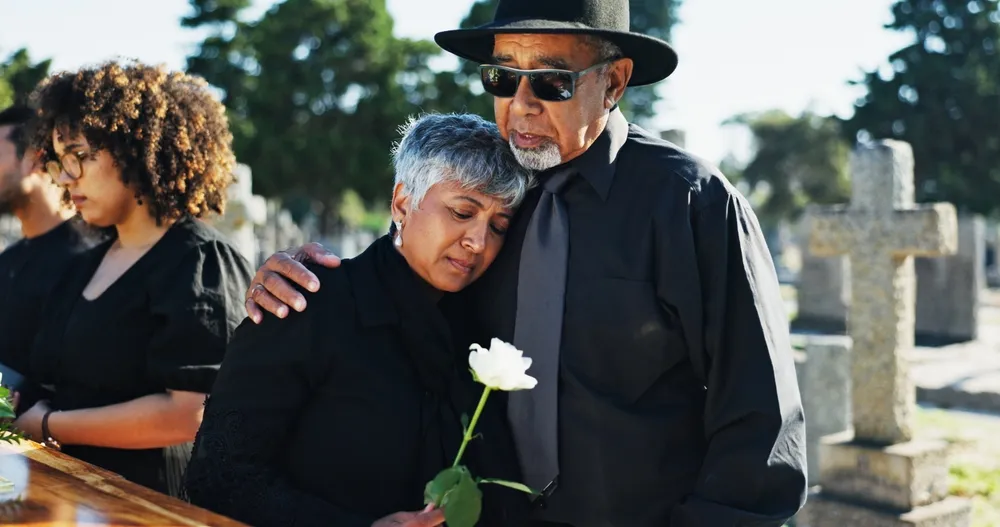
What Grief Counseling Actually Focuses On
Grief counseling is not about pushing you forward before you are ready. It is about helping you move through the experience in a way that feels manageable and grounded.
Making sense of the loss
This involves understanding how the loss has affected your life and allowing space for your reactions without trying to shut them down.
Adjusting to what has changed
Loss often shifts routines, roles, and expectations. Therapy focuses on helping you adapt in a way that feels realistic rather than forced.
Responding to emotional waves
Grief does not stay at one level. Counseling helps you move through those shifts without feeling overwhelmed by them.
Staying connected to your life
Over time, the focus includes finding ways to stay engaged in your life while still acknowledging the loss.

What Starts to Change
As you work through grief more directly, the experience begins to shift in ways that show up in your day-to-day life.
The intensity becomes more manageable
The emotions do not disappear, but they stop feeling constant or overwhelming. Instead of taking over your day, they come in waves that are easier to move through.
You stay more engaged in daily life
It becomes easier to stay present with what you are doing, even when the grief is still there. Your attention is not pulled away as often.
Functioning starts to feel more stable
Routines and responsibilities become easier to handle again. The goal is not to remove the loss, but to create enough stability that it no longer controls how your day feels.
When Grief Starts Affecting Your Life
Grief becomes more disruptive when it starts to affect how you function, not just how you feel. You may notice yourself pulling back from relationships, struggling to keep up with routines, or feeling stuck in a way that is not shifting. Tasks that used to feel manageable may take more effort, and your overall sense of stability may feel lower than it did before.
When these patterns continue, it usually means the grief is still active in how you are moving through your day. Bereavement therapy provides a structured way to work through that, so the experience becomes more manageable rather than something you have to keep pushing through on your own.

Grief counseling in Miami at Innovative Counseling, LLC provides a structured way to work through loss without feeling like you have to manage it on your own. The focus is on helping you process what has changed while rebuilding enough stability to stay engaged in your life.
With telehealth sessions, the process stays consistent without adding more pressure to your schedule. If grief is still affecting how you function day to day, this is where that shift begins.
Frequently Asked Questions About Grief Counseling
How do I know if I need grief counseling?
If the loss is affecting your ability to function, concentrate, or stay engaged in daily life, counseling can help you process the experience and regain stability.
Is it normal for grief to last this long?
Yes. Grief does not follow a fixed timeline, and it can last longer than people expect. The duration varies depending on the situation and the individual.
Can therapy help with loss?
Yes. Therapy helps you process the loss, understand your experience, and develop ways to adjust over time.
What if I don’t want to “move on”?
Grief counseling is not about forcing you to move on. It is about helping you find a way to live with the loss while still staying connected to your life.
Do you offer online grief counseling in Miami?
Yes, grief counseling is available through telehealth, allowing you to access support in a private and convenient way without adding additional stress to your schedule.